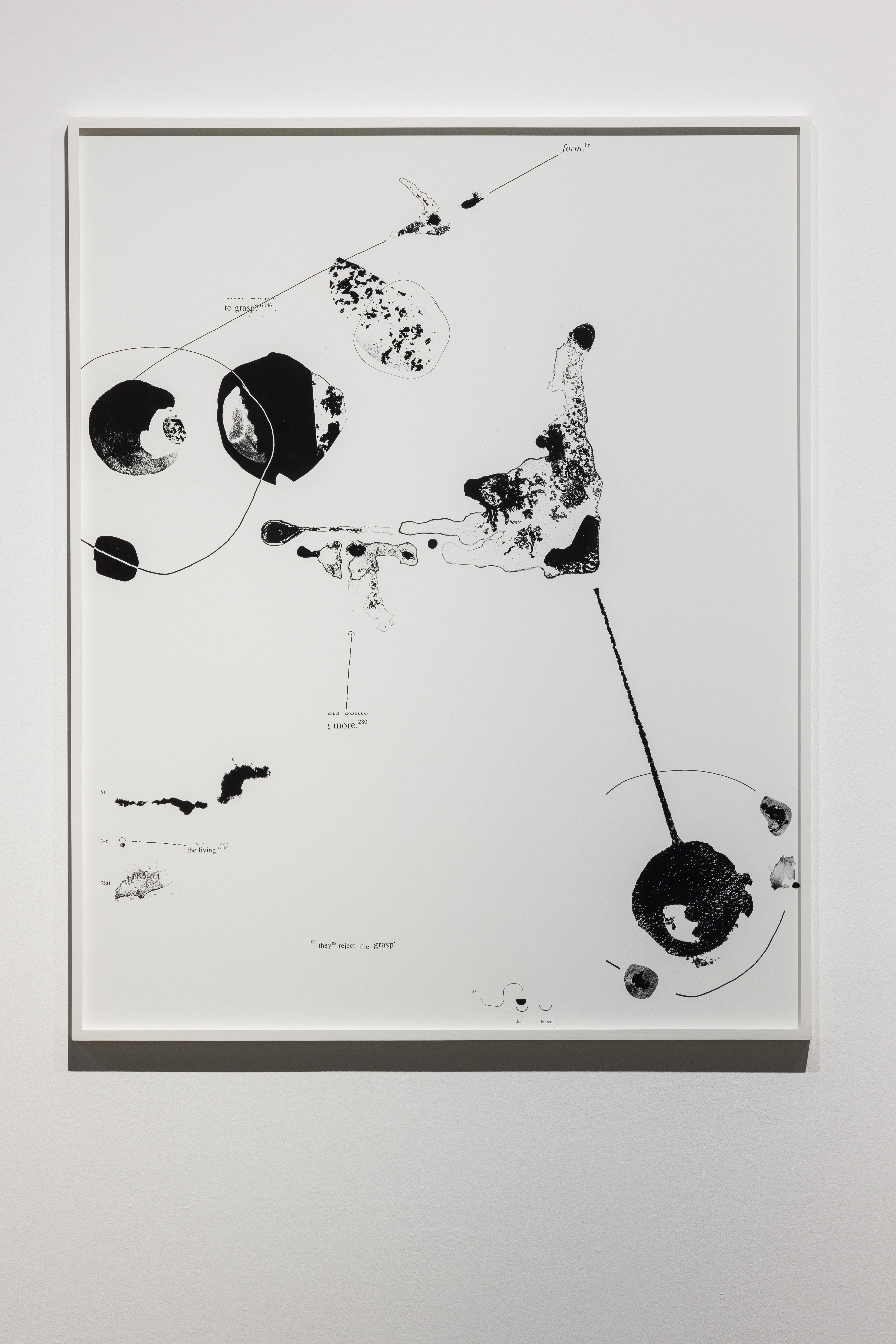
in the coherence, we weep
Kameelah Janan Rasheed
In exploring the materiality and legibility of language, I must wrestle with how incoherence, incompleteness, and opacity function as dirty data that jam systems of smooth and “efficient” communication. It is not so much a non-desire to be coherent and complete as a performative gesture or simply spectacle; instead, it is an announcement of the impossibility of being anything else but incomplete and in process.
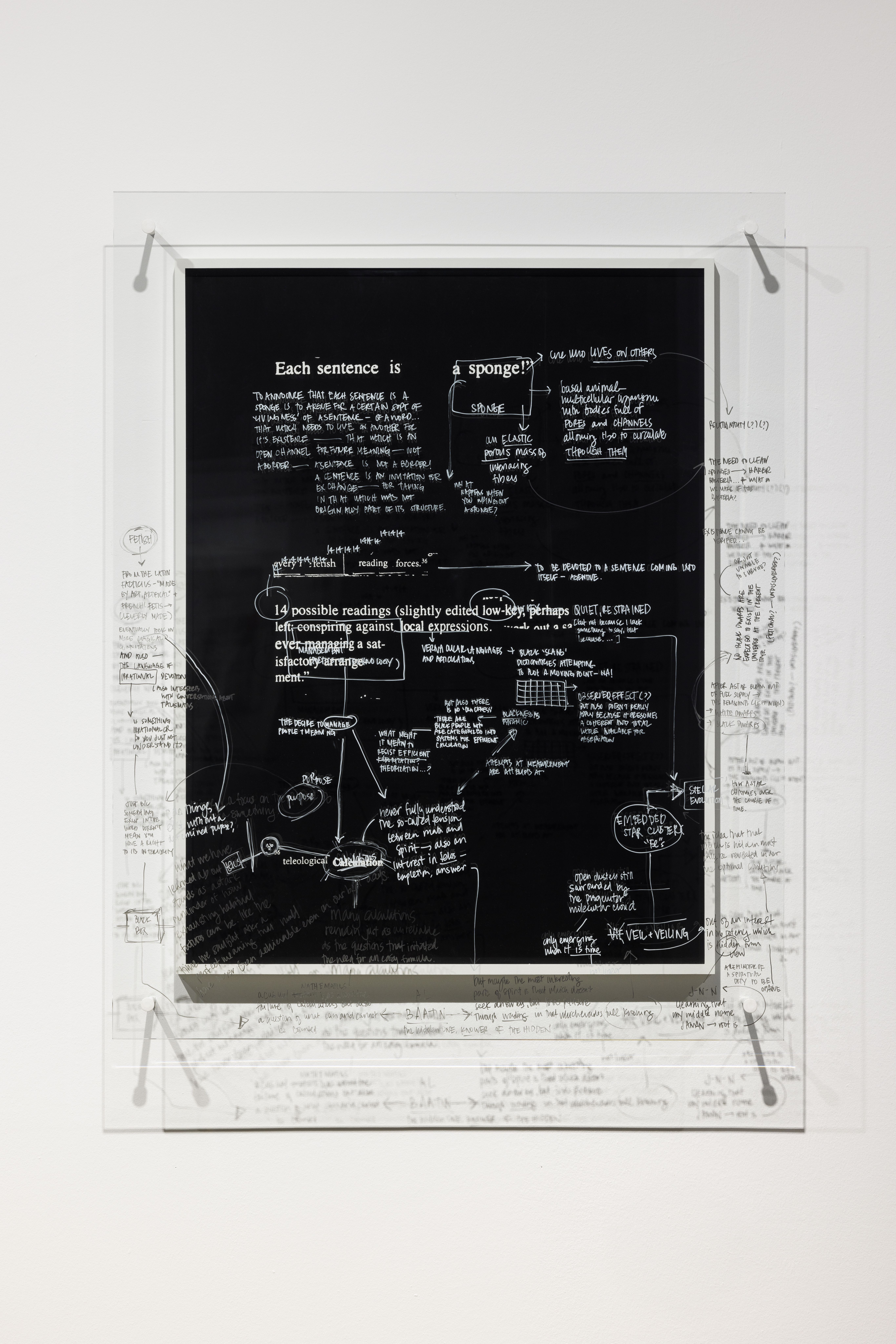
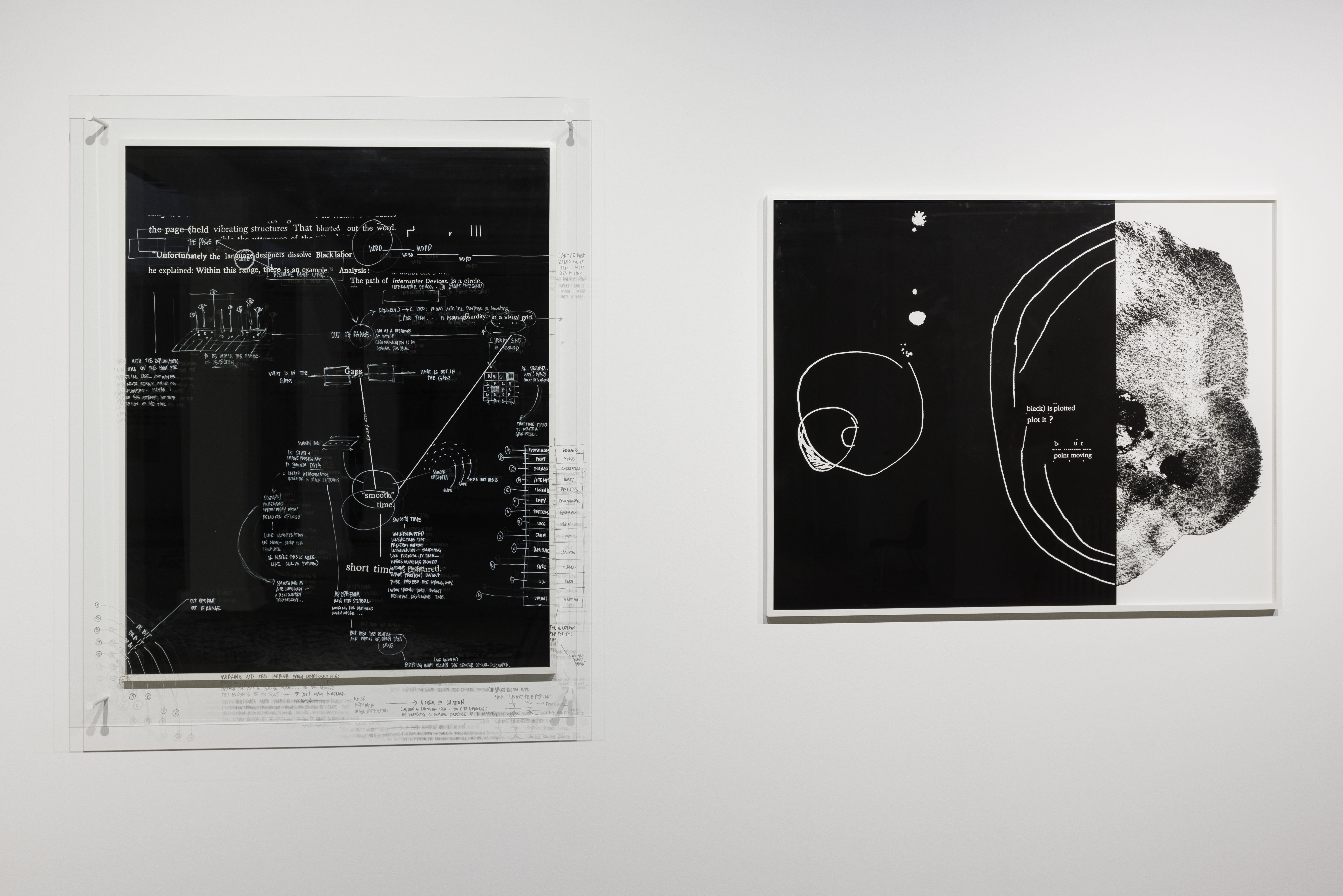
In Hito Steryl’s essay A Sea of Data: Apophenia and Pattern (Mis-)Recognition (2016), she describes dirty data as “something like a cache of surreptitious refusal; they express a refusal to be counted and measured.” A refusal to be counted and measured is not only to choose to be out of compliance with expectations of transparency for the sake of non-transparency, it is also a resistance to what Romi Ron Morrison calls the “violent prefiguration for digital technology’s need to segment, extract, and elide the agency of matter—making people into digits, land into territory, and information into currency.”
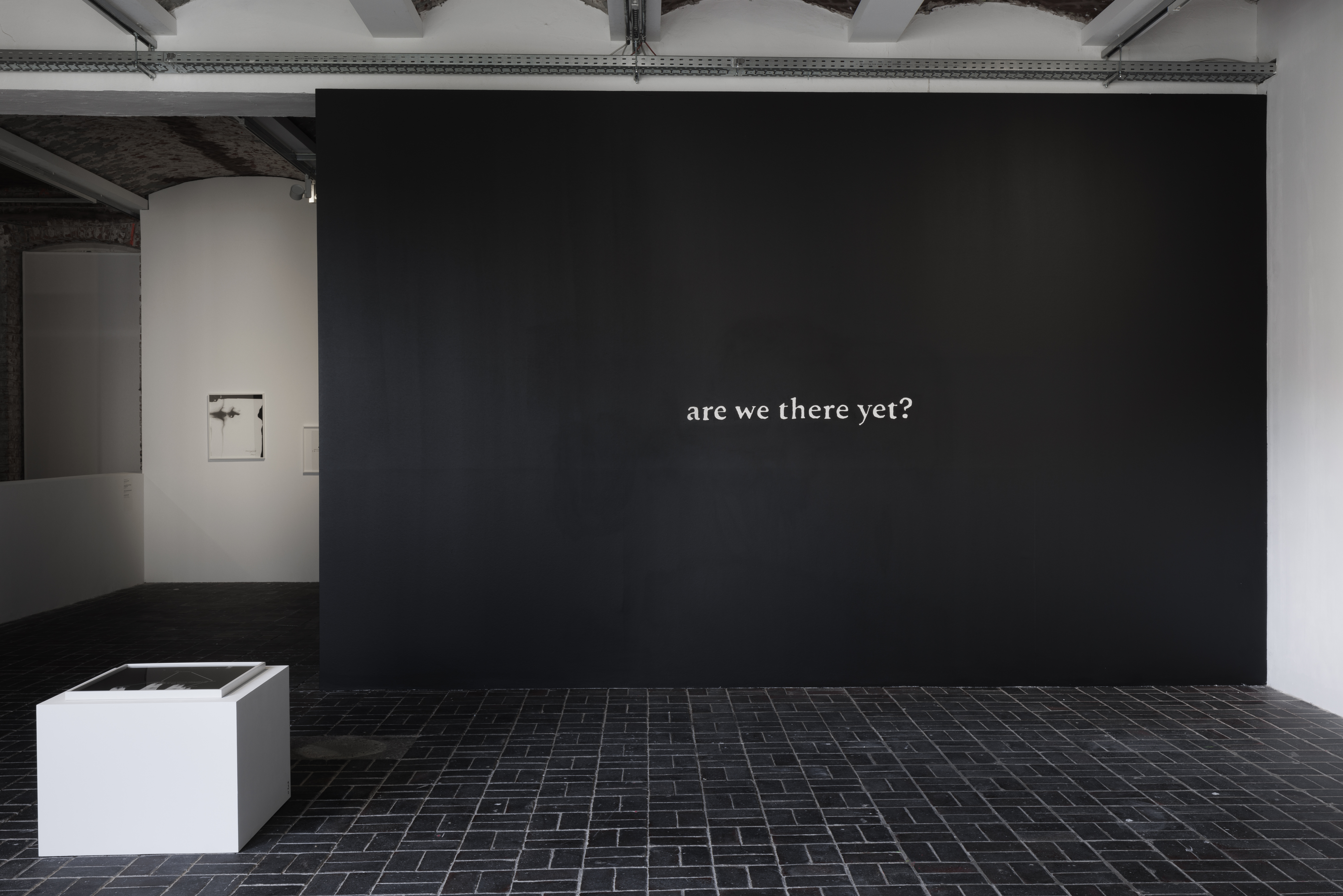
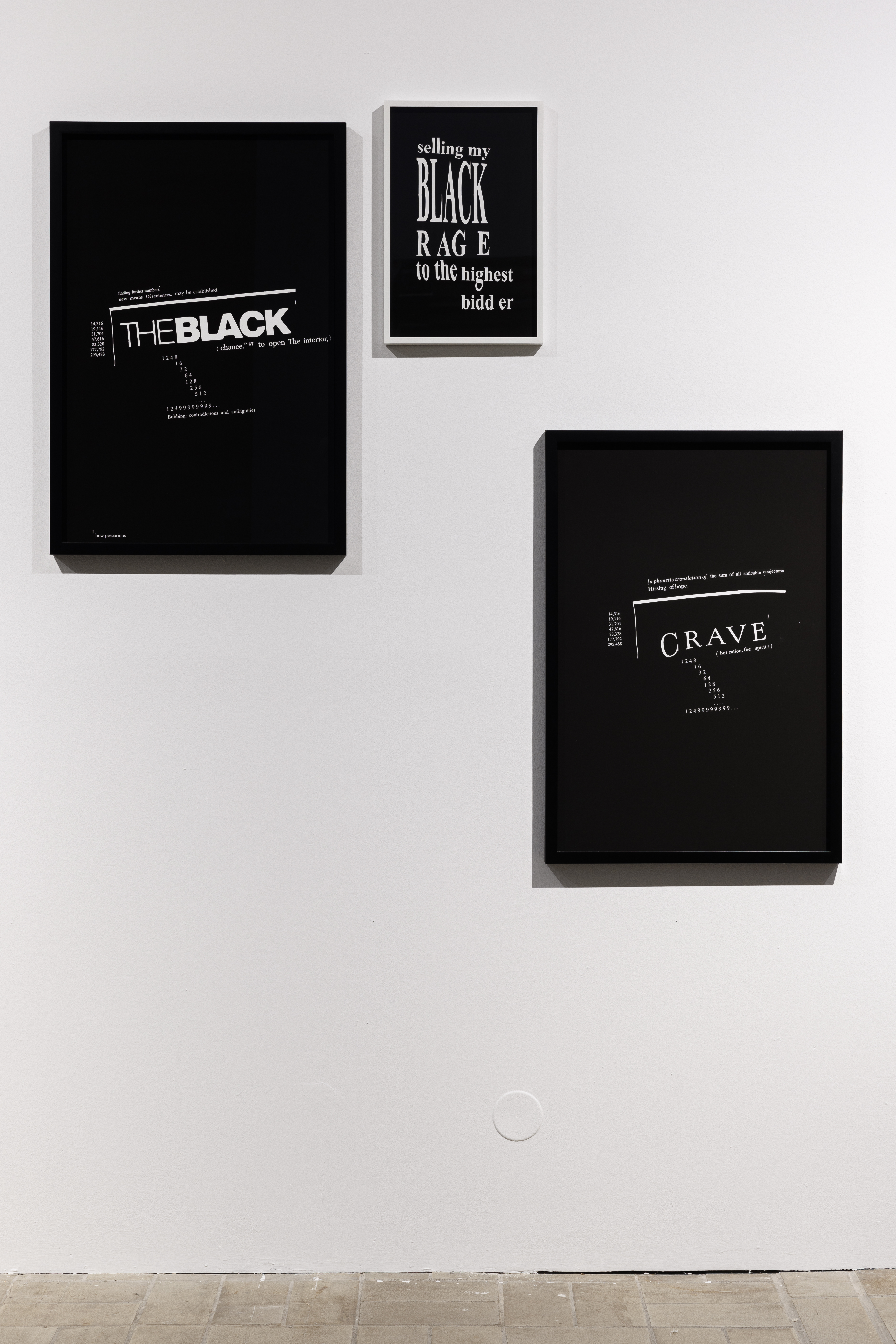
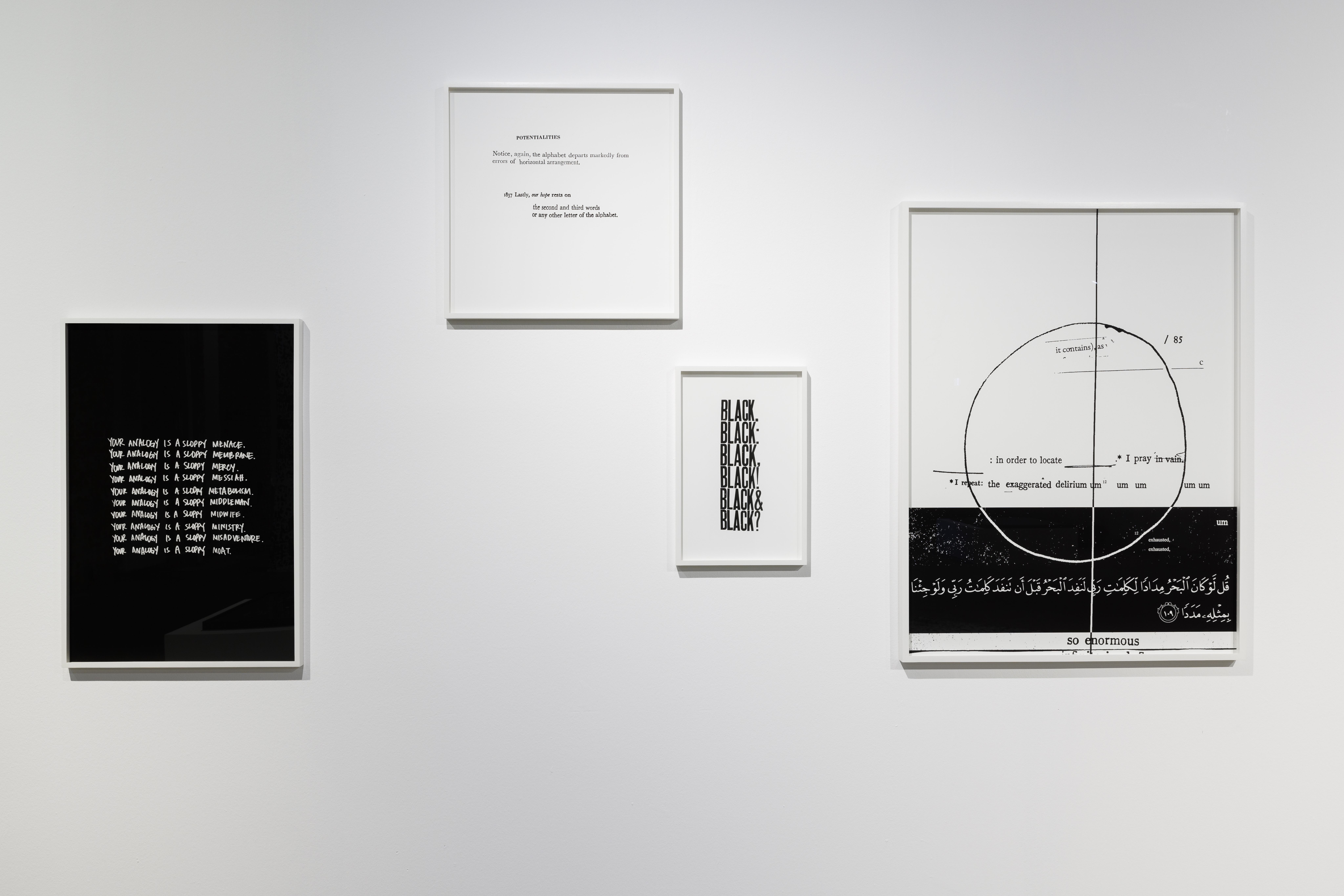
In my practice, I am interested in processability, apprehension, and, thus, the knowability that comes from becoming a nameable and capturable object. I wonder about the intersections between three sites: Hartman’s waywardness of "unregulated movement...the attempt to elude capture by never settling..."; da Silva’s discussion of the generative potentials of excess; and Zora Neale Hurston’s Mules and Men (1935) description of a storytelling "tactic" (or, technology) -- “All right, I'll set something outside the door of my mind for him to play with and handle. He can read my writing but he sho' can't read my mind. I'll put this play toy in his hand, and he will seize it and go away.” In these intersections, a strategy blossoms.